Wood of legal origin is one of the most sustainable materials in construction. Used in architecture, it also brings value, versatility, refinement, personality and a sensory quality to a project, and its advantages begin with its physical and mechanical performance.
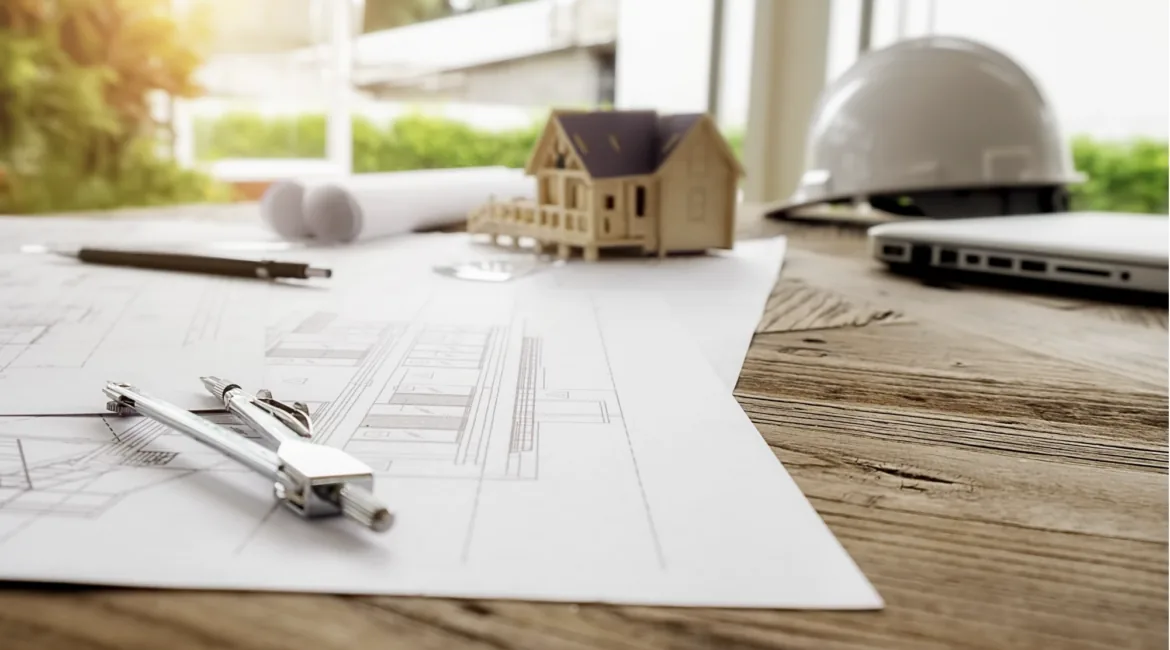
Wood has low density and high mechanical resistance. It is a lightweight material for the load it carries, so small sections can cover large surfaces, and it is also a natural substitute for metal structures.
The advantages go well beyond the technical. Wood brings several aesthetic benefits to a project.
A wood structure can show textures and colors that vary according to the wood species. Wood furniture gives a room a greater sense of warmth and belonging, because it is a natural material.
Wood in modern architecture
There are practical ways of using wood in architecture today. OSB panels, for example, resist weather and can play a structural role in a project.
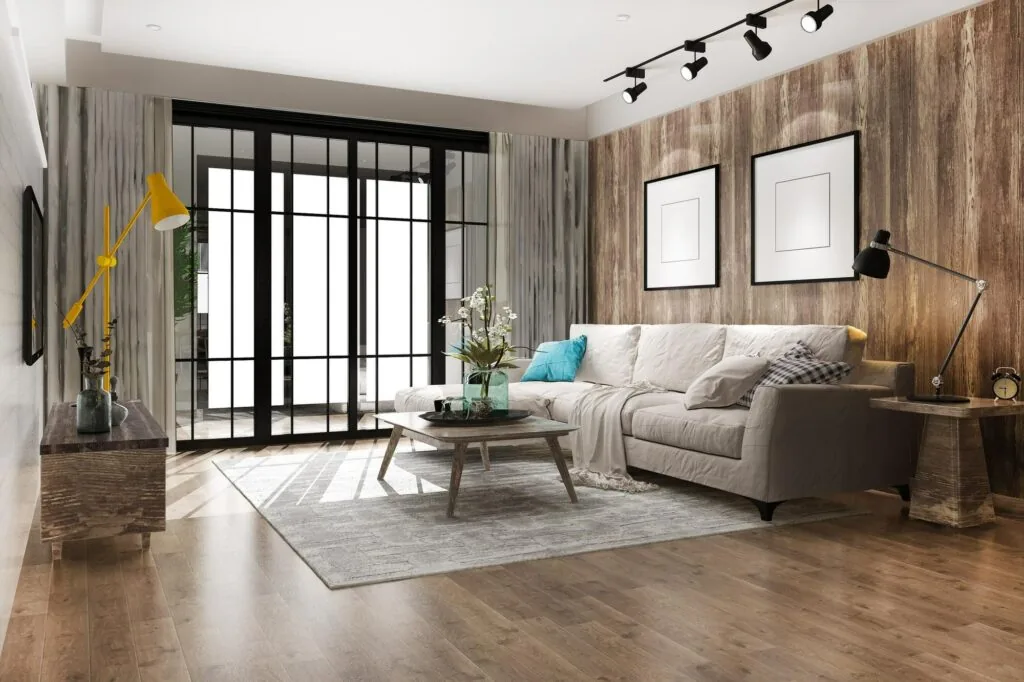
Because of the quality, versatility, sophistication and character it provides, wood is now also used in building facades, and it is in demand for projects that focus on environmental comfort.
Growing concern about sustainability has also increased demand for certified wood. Reclaimed wood from demolition is another use that is expanding.
The material also adds aesthetic appeal and a certain exclusivity. The trend toward personalization, and the wish for a unique piece of furniture, structure or facade, makes wood a valuable material for the architect. Because it is natural, no two pieces of wood are identical, which helps create a project that is unique to each client.
Challenges of using wood
One of the main challenges of using wood, in an interior project or in a structure of any size, is working with specialized labor. There are many wood species on the market, each one requiring specific techniques and knowledge. Every species behaves differently, so the choice depends on where the timber will be used.
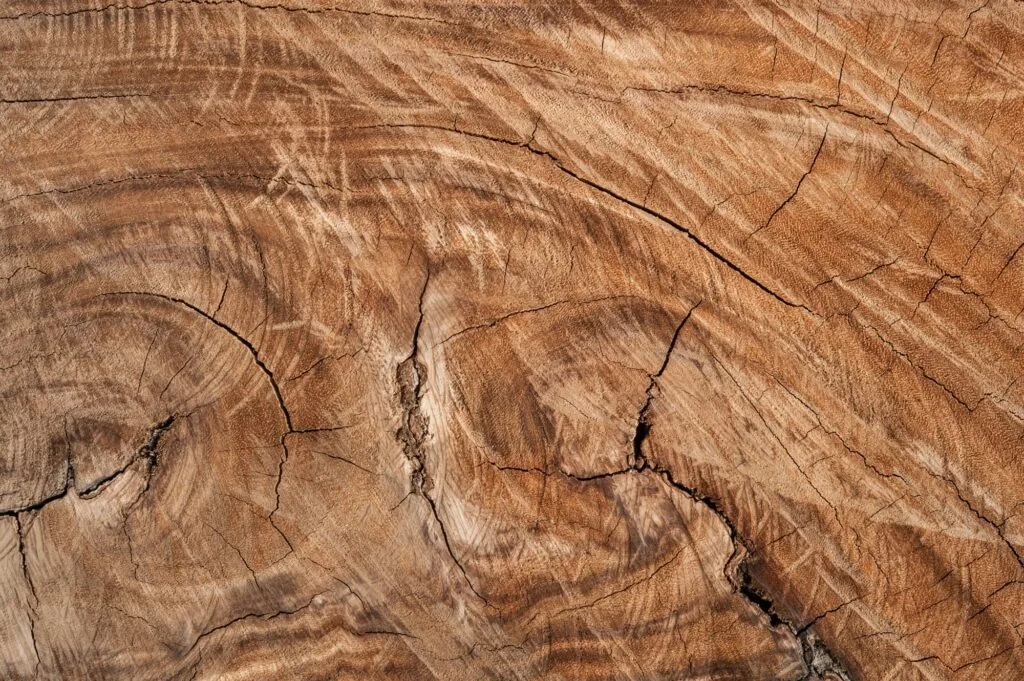
Options for projects
There are many options for this material. A few are worth highlighting.
Glued laminated timber: glued laminated timber (GLT) is made by gluing and laminating boards together.
Its use ranges from small corridors, stairs and canopies to large structures in the most varied aesthetic forms, and it spans great distances without intermediate support. In this respect it performs better than solid wood. The glued laminated timber industry supports the architect from the first concept, working in partnership on calculations, dimensions and details.
MDF: MDF has taken a large share of the market because it costs less than solid wood and is easy to maintain.
Its environmental impact still raises some doubts, but its low cost and other properties make it a common choice for certain types of furniture and for ceilings.
Natural wood: because natural wood and the more highly processed products each have their own peculiarities, it is important for the architect to have a carpenter by their side who knows the properties of each species. It also helps if that carpenter can build furniture that adds value, works as intended and fits the architect's proposal for the project.