Choosing the right roof type makes a property stand out. Beyond appearance, a well-built roof prevents problems such as leaks, water infiltration and excessive heat. Several roof types are available, and each material has its own advantages and disadvantages.
Ceramic Roofing
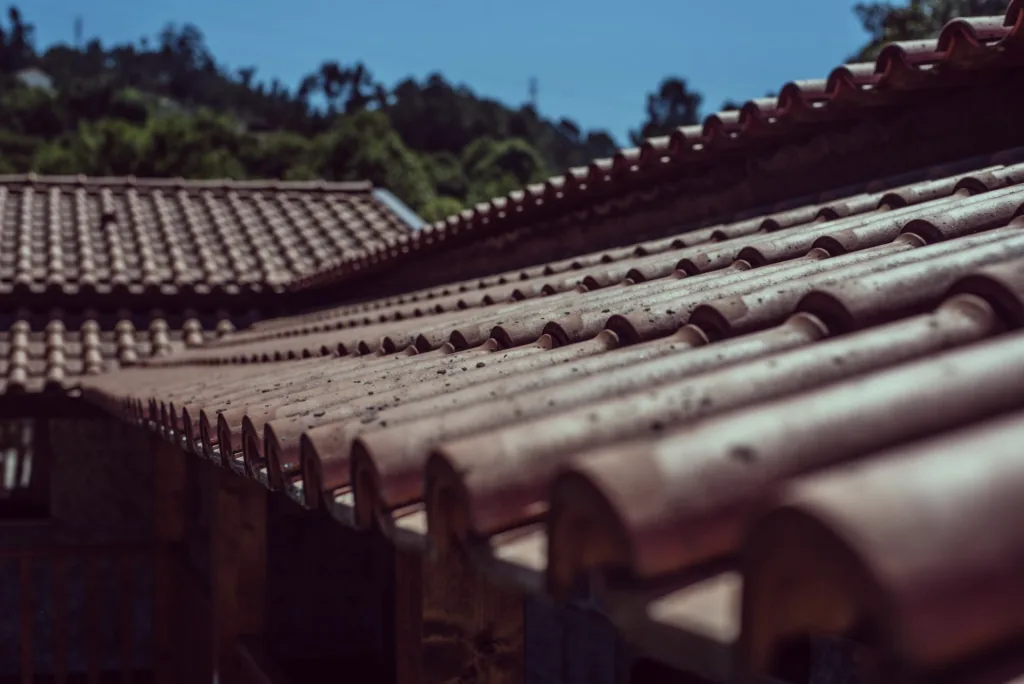
Ceramic roofing is among the most popular options, thanks to its low cost and the great variety of models available.
Varieties:
Colonial tiles: the most commonly used on residential properties. Available in different colors, at 25 pieces per square meter.
Portuguese tiles: one of the most modern models. Thanks to the fittings used, they cover the roof more stably and, being larger, require fewer pieces per square meter (17).
Italian tiles: an even higher yield, at 14 pieces per square meter.
Advantages: ceramic tiles are good thermal insulators, which keeps indoor temperatures more pleasant.
Disadvantages: they are more fragile than other models. When a tile breaks, water can penetrate the roof, so periodic maintenance is recommended.
Concrete Roofing
Concrete tiles are much larger than ceramic tiles, with a yield of 10 units per square meter. Made from cement and sand, they cost more because of their quality, which also ensures a perfect fit, and they are less porous and less susceptible to mold growth.
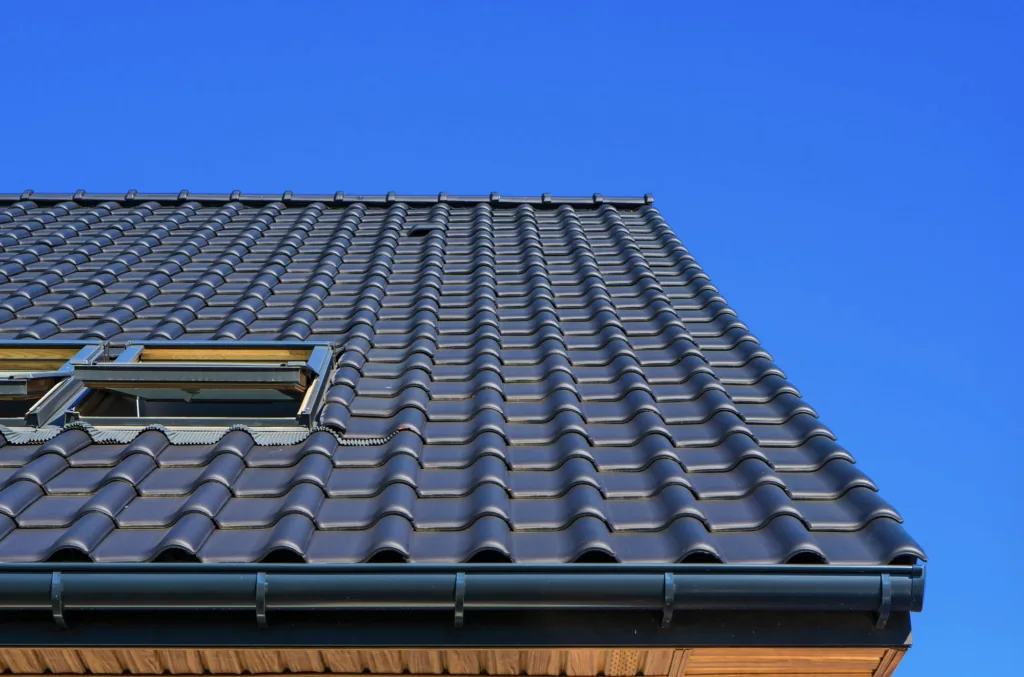
In warmer regions, lighter-colored tiles are recommended, since they reflect sunlight and absorb less heat. Thermal blankets installed under the tiles also help control temperature. In colder regions, darker-colored tiles are required instead, as they help keep the property warm.
Advantages: the main advantage is impermeability. Because the tiles do not absorb rainwater, the structure is not at risk of overloading for this reason. They also do not deform, so they stay well fitted and aligned, which reduces maintenance. Although each concrete tile is heavier than a ceramic tile, the weight per square meter is lower, so the supporting structure can be lighter.
Fiber Cement Roofing
Fiber cement roofing is controversial, as it replaced the old asbestos tiles, which were harmful to health. Manufacturers claim that current models no longer have this problem, but the material remains questioned.
Disadvantages: the main issue is that fiber cement tiles overheat the space around them. Using complementary pieces and different installation techniques can solve this, and the material then offers a good cost-benefit ratio depending on where it is applied. Aesthetics, however, are an indisputable disadvantage: this gray-toned roofing is not very attractive, so it is only recommended for specific constructions where appearance is less important than functionality.
Metal Roofing
Metal roofs are made from steel with a protective zinc layer that shields the material from oxidation and corrosion. They are an interesting option for those seeking durability, easy installation and resistance to humidity, and they consist of panels fixed to the structure with screws.
Advantages: with good installation, this material needs very little maintenance, and repairs are simple when they are needed.
Disadvantages: the main issue is the weight of the steel, which requires a good support structure. Metal roofs also produce significant noise during rain or wind, so attention to the property's acoustic insulation is important.
Green Roofing
Green roofs, also called eco-roofs, use low plants to cover the roof slab, forming a suspended garden. Installing this roof type requires special care, especially with sealing, which must be done very well to avoid infiltration. The structure also has to be planned carefully, as the roof slope matters, and an irrigation system has to be added. Rainwater can be used for it, with tanks of up to 60 liters per square meter. The water stays beneath the vegetation, which prevents mosquitoes from breeding.
Advantages: the benefits of this roof type are excellent levels of thermal and acoustic insulation.
For maintenance, the modular system is the most interesting option. The vegetation layers sit in recycled plastic boxes that function as planters, so if any part of the roof needs to be changed, only the affected module is replaced.
Slate Roofing
Slate is one of the oldest construction materials. It is a rock mixing clay and volcanic ash, often used as wall cladding and sidewalk paving.
Advantages: the main advantage of slate as roof cladding is durability. The stone is impact-resistant, fire-resistant and wind-resistant, which is why this roof type is often seen in mountainous regions, where properties are more exposed to the weather. Easy maintenance is another strong point.
Disadvantages: compared with the other roof types in this article, the disadvantage is price. It costs more than the simpler options, because the finish has to be laid by someone with experience of it. Weight is also a factor, since slate roofing requires a reinforced structure, which affects construction costs.
Translucent or Transparent Roofing
Translucent or transparent roofs are ideal for bringing daylight into spaces where sunlight does not reach, such as a hallway, garage or balcony. These materials come in formats identical to ceramic tiles, so they can be applied across the entire roof or only in specific parts, replacing some tiles and creating a very different decorative effect.
Advantages: an interesting alternative for saving electricity, since the space benefits from natural lighting for longer.
Varieties by transparency:
Translucent tiles: let light through, but soften it.
Transparent tiles: let almost all of the light through.
Weight, durability and thermal insulation depend on the material used.
Varieties by material type:
Polycarbonate tiles: lightweight, provide good insulation and are very impact-resistant.
Polypropylene tiles: less resistant and may crack, allowing infiltration.
PVC tiles: stand out for being more economical. Acoustic insulation is not the best, however, and they tend to overheat the space.
Glass tiles: have good resistance but retain a lot of heat, so they are not suitable for very large roofs.