Keeping a home comfortable without spending a fortune on heating is not easy, and most of us think about it again every year, when the days and nights turn colder.

If you are not ready to invest in a permanent solution such as air conditioning, a few simple measures will keep the house warmer and cozier for very little.
Improve insulation
To stop losing heat and paying for energy that ends up outside, the house needs good insulation. Pay attention to the ceiling, the walls, the floor, the windows and the doors, which are the main points to insulate to improve thermal comfort.
Close the doors of unused rooms
Air circulates through the whole house, so the rooms you use most end up cooler than they should be. Close the doors to areas you do not really need to use, so the heat stays where you spend your time. Smaller rooms also help, because they warm up quickly with the same equipment, and the temperature then holds without the heating running non-stop.

Use the sun
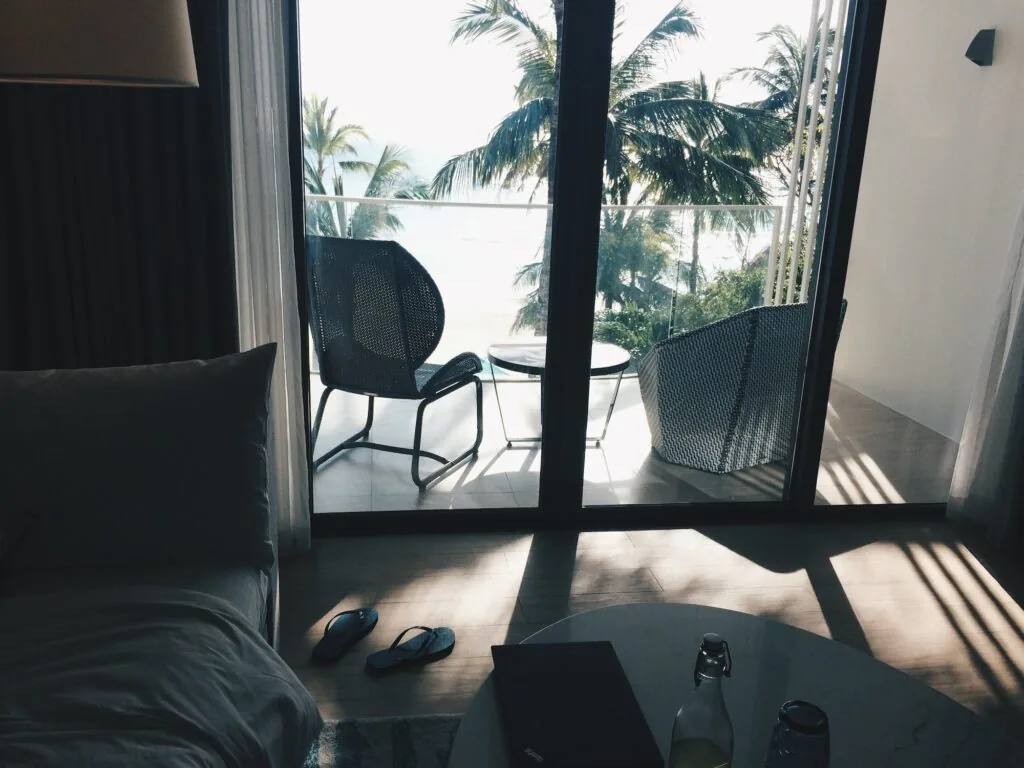
The cheapest heater we have is the sun. Photovoltaic panels are a separate investment; here the point is simply letting sunlight into the house. Open the shutters, curtains or blinds fully in the rooms with the most sun, and close them again at night or once the sun is on the other side of the house. Rooms heated during the day stay comfortable for several hours.
Keep windows clear
Keep tree branches and large plants away from the windows, especially if they keep their leaves in winter. They block the light the house would otherwise receive.
Ventilate briefly
Renewing the air in the house is essential, and it can also help thermal comfort. Five minutes with a door or a window open is enough to renew the air in a house, or ten minutes if the windows are small. Cross ventilation works best: opening windows on opposite sides creates a draft through the house and renews the air faster.
If you ventilate while the sun is shining, it will also help raise the temperature in those rooms and, from there, in the rest of the house.
Use dark colors
Dark tones absorb more heat and help hold the temperature. Changing the curtains in autumn is awkward if light ones were chosen when the house was decorated, but changing the covers on the cushions to dark tones is simple and makes a room feel warmer.
Use rugs
A simple minimalist interior works well visually, but it can leave a room feeling cold. Thick, plush rugs add comfort in any room, especially over stone or ceramic floors (wood holds warmth better).
Choose an effective and efficient system
Once the insulation is doing its job, you need the main ally for keeping the interior warm and cozy: heating or air conditioning equipment. There are several options against the cold. Climate control is a complete and efficient solution, because it works all year round against both cold and heat peaks without excessive energy use.
These tips improve the thermal comfort of your home at almost no cost, and they are worth coming back to every year when the cold starts, even if you do install efficient air conditioning. They help you get through the cold in a house without air conditioning, and they keep the electricity bill down when it is running. Following them makes your life more comfortable, and it also supports energy efficiency and sustainability.