When a house is designed, light deserves the same attention as layout or materials. It determines how each room feels, how the space is read and how much architectural detail is visible, and it is best planned from the start, with natural and artificial light considered together.
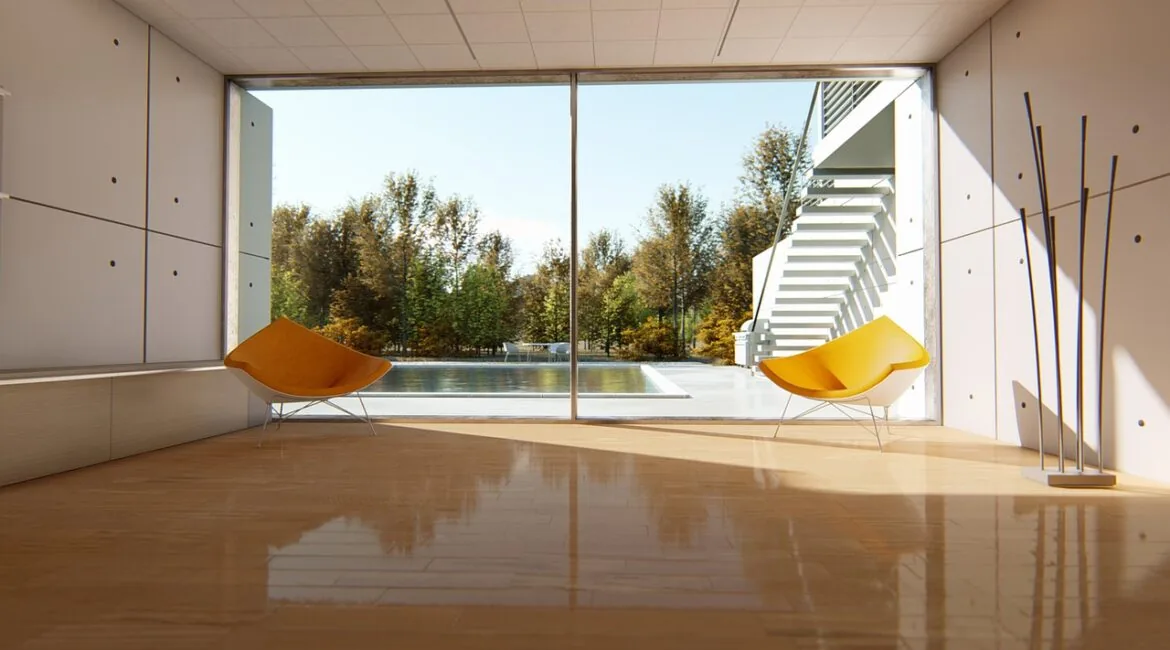
Natural Light in Housing
Natural light affects daily life more than most people expect. It is linked to serotonin levels and to mood, and it also helps with concentration, which is a good reason to plan generous daylight in a study or workspace.
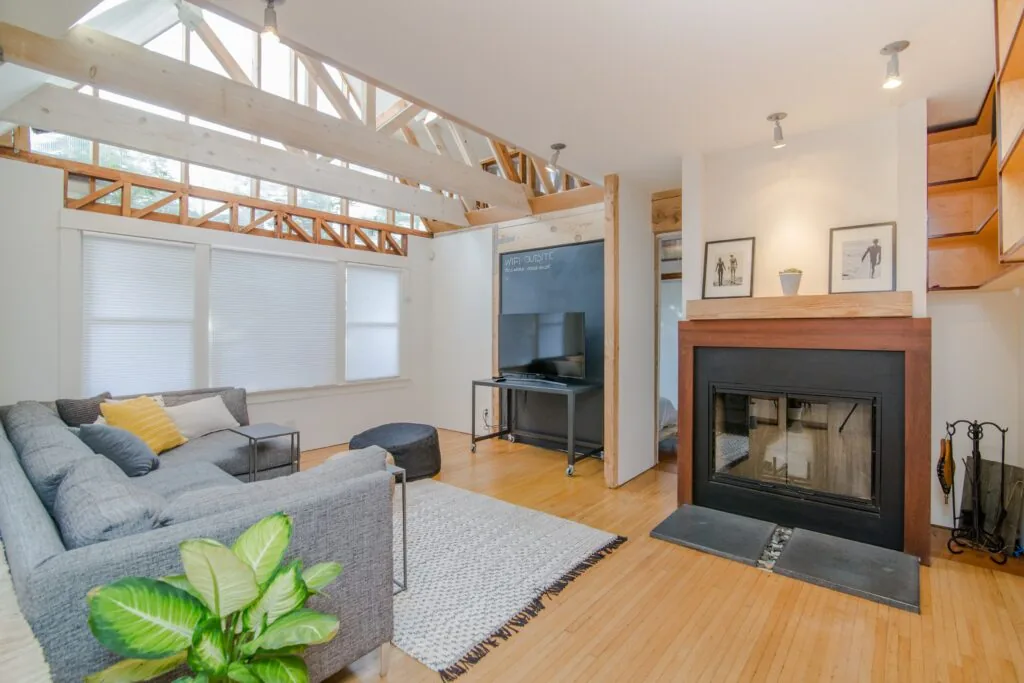
Rooms with good daylight also tend to look cleaner and more spacious, and planning it well reduces the amount of artificial lighting and energy a house needs.
When a plot has good views, it is worth designing larger windows on that side. A well-placed window does more than let light in: it gives the room depth and connects the interior with the landscape outside.
Large windows should not be blocked by heavy curtains or furniture. Where the sun becomes too strong at certain times of day, blinds or curtains that filter the light are the practical answer. The aim is even, comfortable light without glare or excess heat.
Artificial Light at Home
Artificial light is a design tool as much as a practical one. Lighting a room well is not only a matter of brightness; direction and shadow matter too, and they are what shape the space.
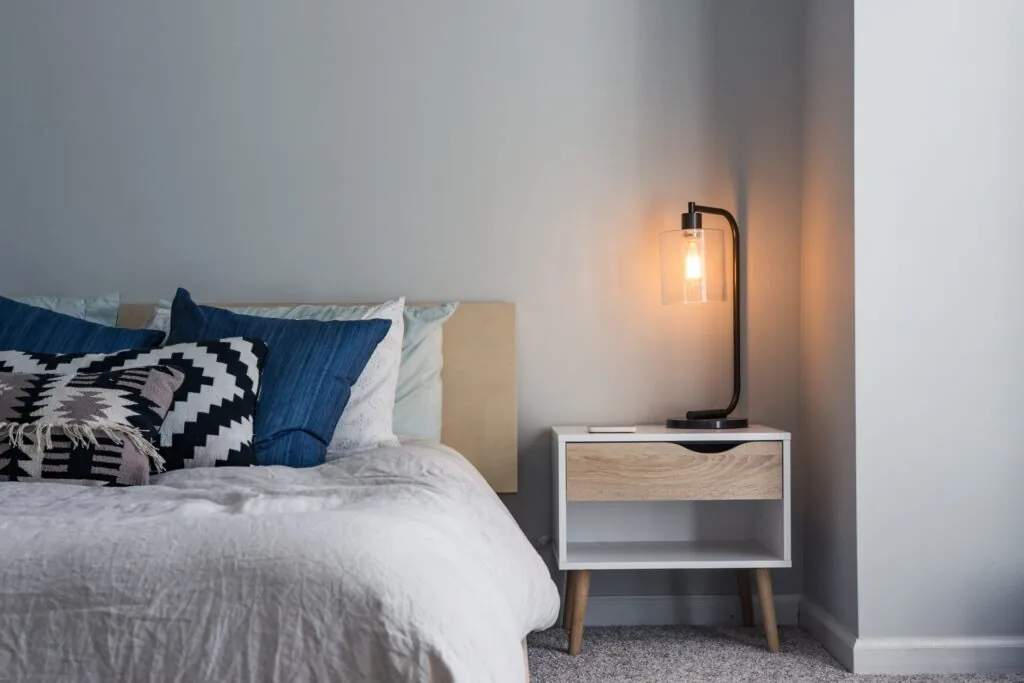
Artificial light should be used carefully and no more than the room needs. LED lighting is the most efficient common choice and has largely replaced halogen, fluorescent and older low-consumption lamps.
Light is worth planning early, together with the rest of the design, rather than correcting a dark or uncomfortable house later.