A wide range of heating solutions exists, from underfloor heating, which we have covered before, to electric heating.
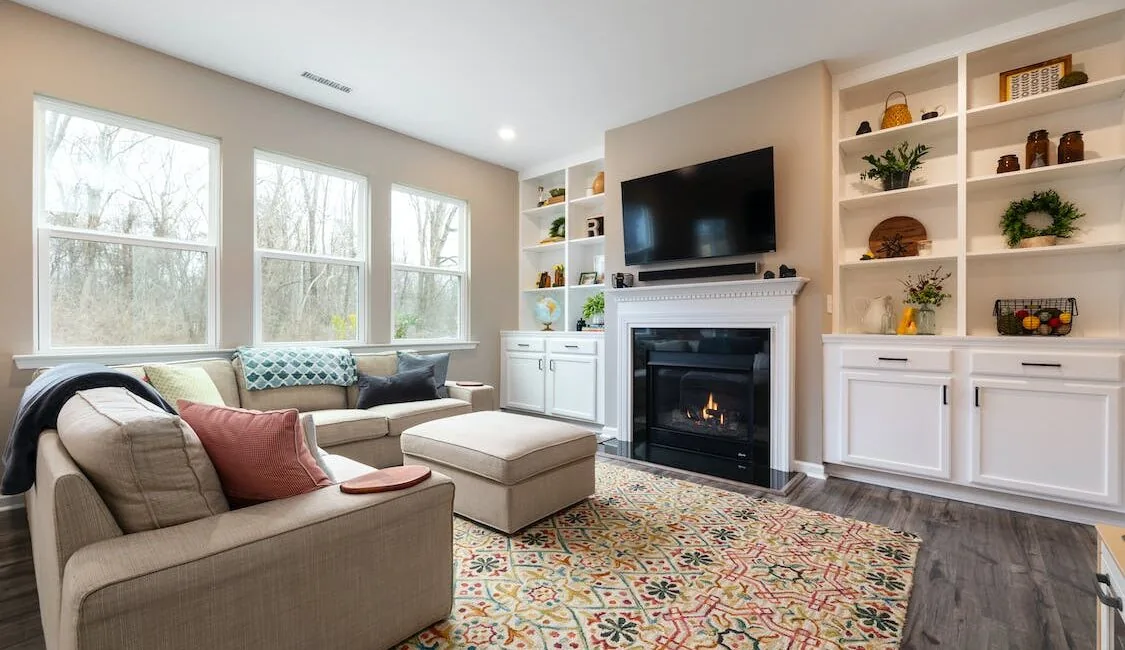
Every home is different, and the choice depends as much on what the house allows as on personal taste. With so many options, the list below sets out the pros and cons of each heating type.
Air Conditioning and Air-to-Air Heat Pumps
Air conditioning equipment moves heat rather than producing it. In cooling mode it takes heat out of the room; in heating mode it brings heat in from the outside air. That is what makes it a heat pump, and one unit does both.
An air-to-air heat pump delivers that heat through the air, from a wall unit or through ducts. An air-to-water heat pump instead heats water, which then feeds underfloor heating, radiators or a hot-water cylinder.
It is usually the least expensive heating and cooling system to install, and it uses far less electricity than a resistance heater to deliver the same heat, because it moves heat instead of making it. Once the set temperature is reached, the compressor runs at a slower speed.
Wood Stoves
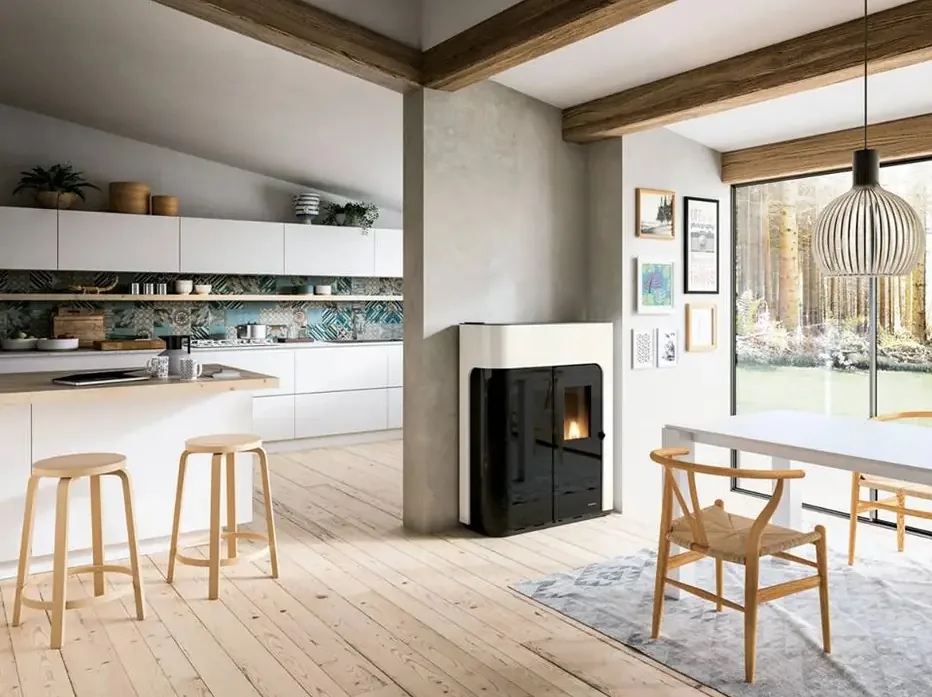
Wood stoves are generally made from cast iron and are a traditional heating method. Feeling heat from a fireplace or stove is always pleasant and creates a cozy atmosphere, especially on cold winter days.

Besides the price of the stove itself, the cost of the smoke exhaust pipe has to be counted. Depending on the room where the stove is placed, the installation will be more or less economical.
This solution can be combined with another, allowing certain savings in energy, gas or fuel costs, as firewood is always cheaper.
Underfloor Heating
Underfloor heating is increasingly common, as it is probably the most comfortable solution for heating your home. However, it involves some construction work, as the entire floor has to be replaced. The pipes are laid beneath the floor, and the water circulating through them is only about 35 to 40 °C. That is the water temperature, not the temperature of the floor surface. Electric underfloor heating also exists alongside these water-based systems.
The floor surface itself is warm underfoot, and the temperature is even across the room.
Bioethanol Fireplace
Bioethanol is fashionable, ecological, practical and affordable, though more expensive than oil. It is clean energy, made from biological alcohol obtained from agricultural waste. It does not pollute, is odorless and emits no gases harmful to health, and unlike firewood it leaves no dirt. Because the flame is clean, bioethanol fireplaces can be used indoors without an extraction system.
These stoves can be placed in any room and need no electricity connection. There are charming and modern designs, and it is also possible to convert your old fireplace with a bioethanol model. One drawback to consider is that they only heat the space where they are located; if we want to heat the entire house, we would need several fireplaces.
They come in different capacities and powers, and the right choice depends on the size of the room you want to heat.
Central Hot Water Heater
Central hot water stoves allow central home heating and complement other home water heating systems, such as solar panels and oil boilers.
Other Climate Control System Types
Electric Heaters: the most basic electric heater is the convector. It heats air, which then rises from the top of the unit. The method is simple and the comfort it gives is basic. Heating the air dries it, so the room feels drier.
This type of heater does not spread heat evenly, and a fan version is noisier. It is cheap to install, but expensive to run for whole-house heating: resistance heating gives one unit of heat for one unit of electricity, where a heat pump delivers several. They make sense for heating one room, or as a temporary solution before a proper system is installed.
Radiant Panel Radiator: also a direct electric heater. The resistance warms a metal panel instead of blowing air across a coil, so the heat is spread more evenly, with no fan noise and less air movement. The room therefore does not feel as dry, which many people find more comfortable. It is still resistance heating, so the running cost is no lower than any other electric heater: what improves is comfort, not the cost of running. It also costs more to buy than a simple convector.
A water-filled radiator is an emitter, like underfloor heating, not an energy source. What it costs to run depends on what heats the water: a heat pump, a condensing gas boiler or an electric resistance boiler. Radiators fed by an electric boiler are a direct electric system with extra plumbing, and they are not automatically economical.
Mixed Heaters: mixed or combined heaters bring together the advantages of electric heating and central heating. They function like a conventional water heater, providing heat in colder seasons, and have an electric resistance capable of changing the heat source.
Thermal-Inertia Electric Radiators (emisores térmicos): a programmable electric radiator with a thermal mass inside, so it warms up gradually and stays warm long after it is switched off. These are sold in Spain as low-consumption radiators, but the benefit is steadier comfort, not a lower cost per unit of heat: they are still direct electric heating. They are the most expensive of the electric options to buy, and some models are designed to be seen.
Water Radiators: these provide good thermal comfort and efficient operation, with a good balance between running costs and installation cost.