Choosing the right flooring improves the look of a room and can also save money. The range of options is wide, so this article looks at the materials used most often, with their advantages and disadvantages.
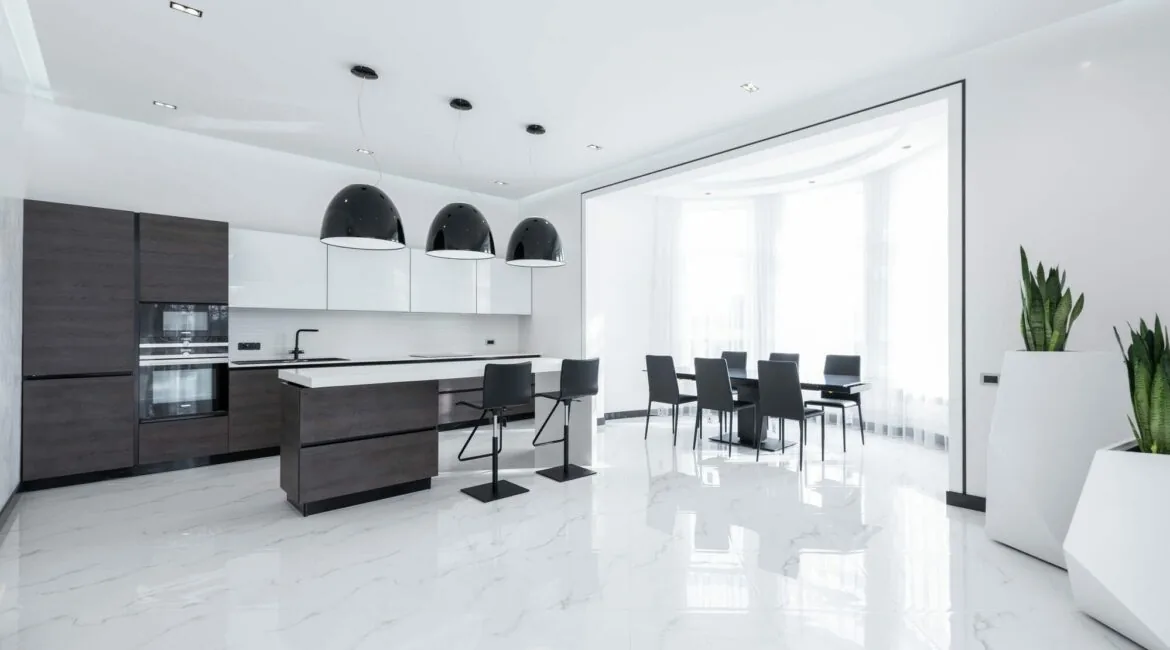
The main materials used for flooring are marble, ceramic, porcelain, and polished concrete. Each is described below.
Marble
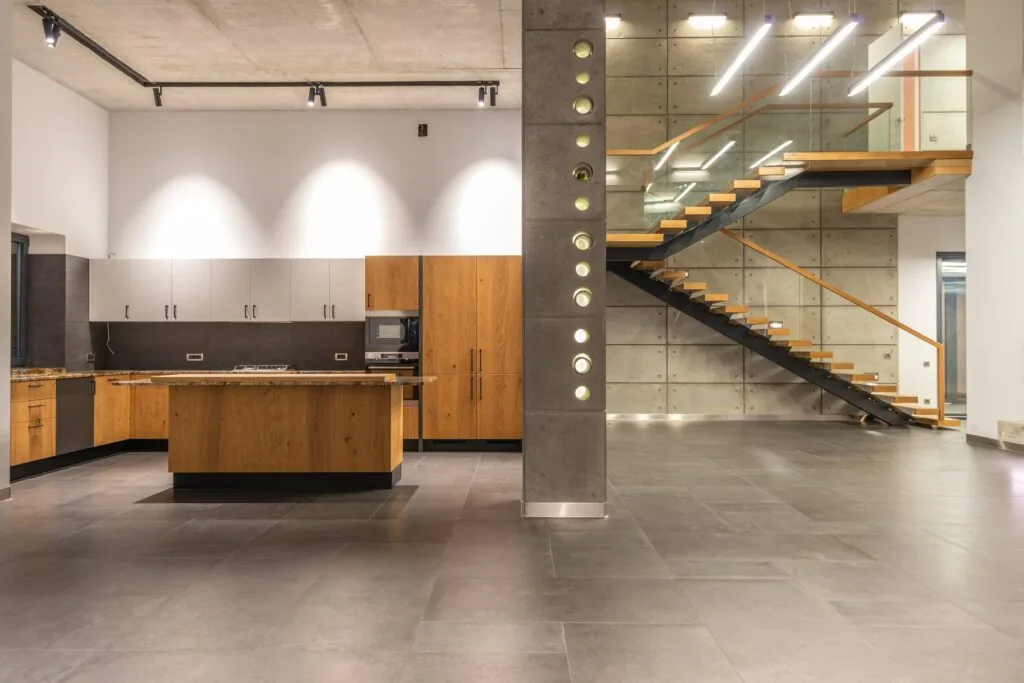
Marble is popular for its elegance and luxury. It is a natural stone composed of calcite, similar to granite. It suits living rooms, bathrooms, and kitchen countertops in particular.
Advantages:
Easy to clean
Creates a sense of spaciousness
Adds style to a room
Disadvantages:
High cost
Low resistance to breakage
Marble is easy to clean, but a few precautions help it last longer:
Clean it with water alone, or with a neutral detergent for stains, and avoid acidic products.
Sealing the marble is another option, so that spills do not leave difficult stains.
Ceramic
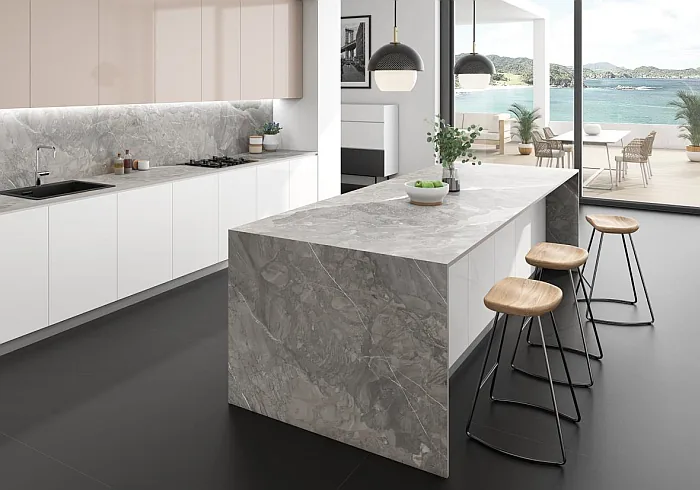
Ceramic is a durable flooring that gives good visual results. It is produced from clay.
Advantages:
The material is very versatile: it is made in a range of colors, patterns, formats, and textures, and suits any room in the home.
Affordable.
Easy to maintain and clean.
Helps keep the room cool, especially in summer.
Disadvantages:
Scratches easily.
Feels less warm than other materials.
When choosing ceramic flooring, check the PEI rating, which indicates the resistance of the tile. It tells you whether a tile is suitable for the room you have in mind.
Porcelain
Advantages:

Besides floors, it can be used for wall and countertop cladding.
Very resistant and durable.
Joints are less noticeable than with other materials, for a more elegant finish.
Disadvantages:
The satin version can stain or scratch, and it is slippery when wet.
Recommended for interior areas such as bedrooms, bathrooms, living rooms, and kitchens. It can also be used outdoors if a less slippery finish is chosen.
Polished Concrete
This technique sprinkles cement over mortar to increase resistance and reduce cracking, giving the floor a more natural, mottled look. It is common in industrial, rustic, and Scandinavian-style interiors.
Advantages:
Costs less, because it does not need specialist labor.
A cool floor, increasingly used in living rooms, bedrooms, and kitchens.
Disadvantages:
It is porous and stains easily.
With time and constant use, it can crack.
How to Choose the Right Flooring
Before choosing a flooring type, consider where it will be installed. Floors that become slippery when wet or stain easily are not a good choice for humid areas.
Budget is the other main factor. For low-budget projects, polished concrete and ceramic tiles are a good option, and both adapt well to different architectural and decorative styles.
With a larger finishes budget, natural stone such as marble and granite is worth considering. It gives a home a more luxurious look, though the flooring needs to be in keeping with the wall cladding.